Key takeaway: Gynecology treatment in Pune with Dr. Ammbalal Gurram starts with a diagnosis. The doctor advises surgery only when a patient needs it and, where suitable, uses laparoscopic, hysteroscopic or robotic methods that need smaller incisions or none at all.

The gynecology treatment in Pune offered by Dr. Ammbalal Gurram is grouped below by the type of problem it addresses. Each procedure has its own page with further detail.


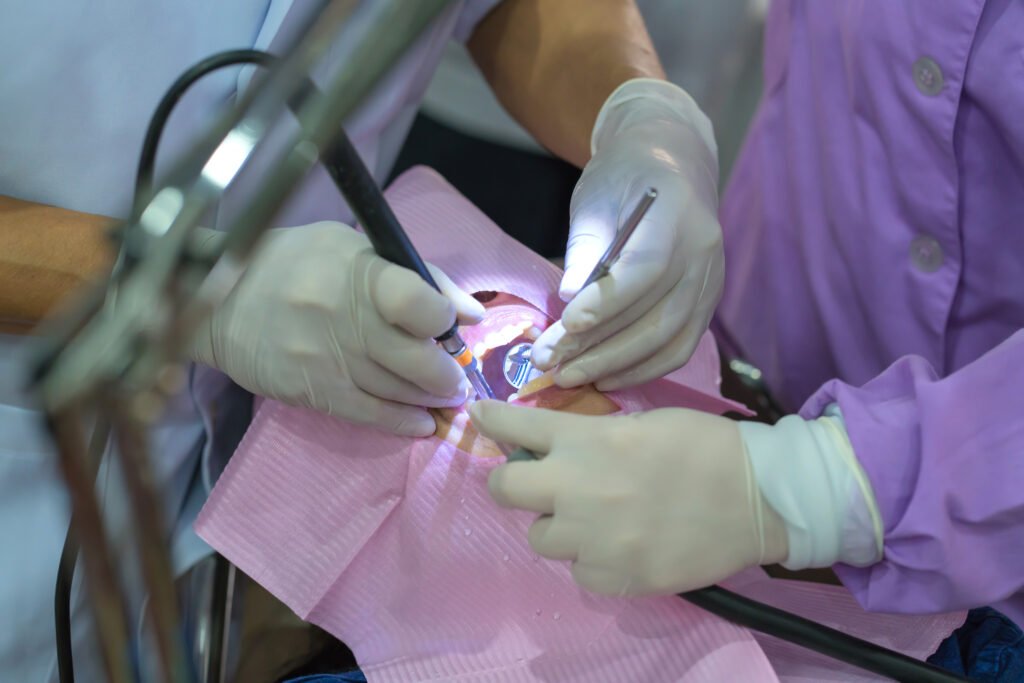
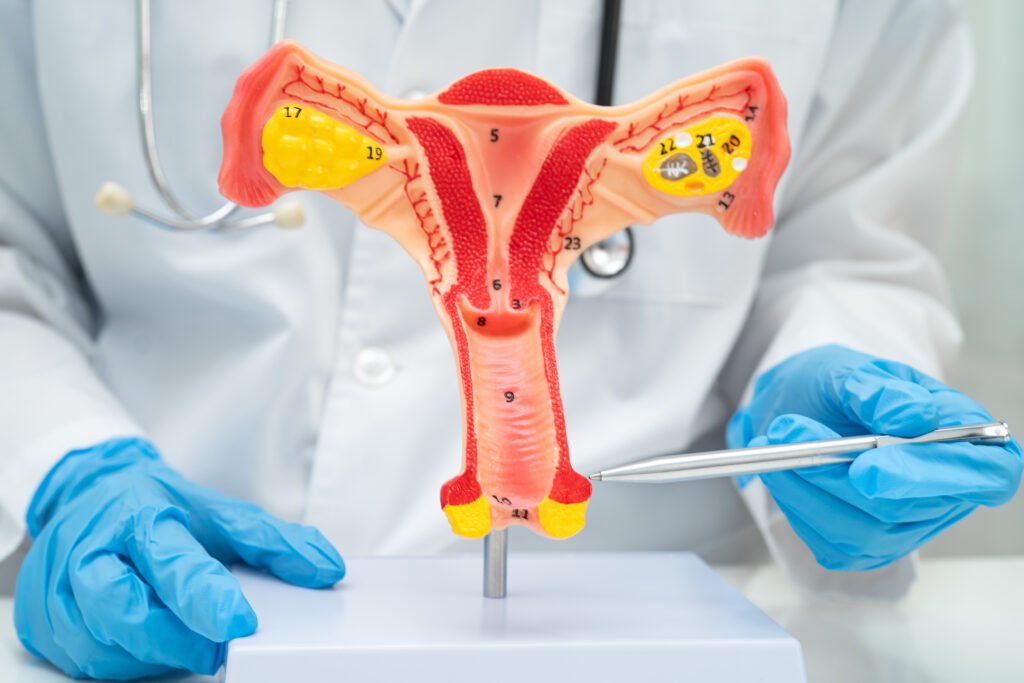
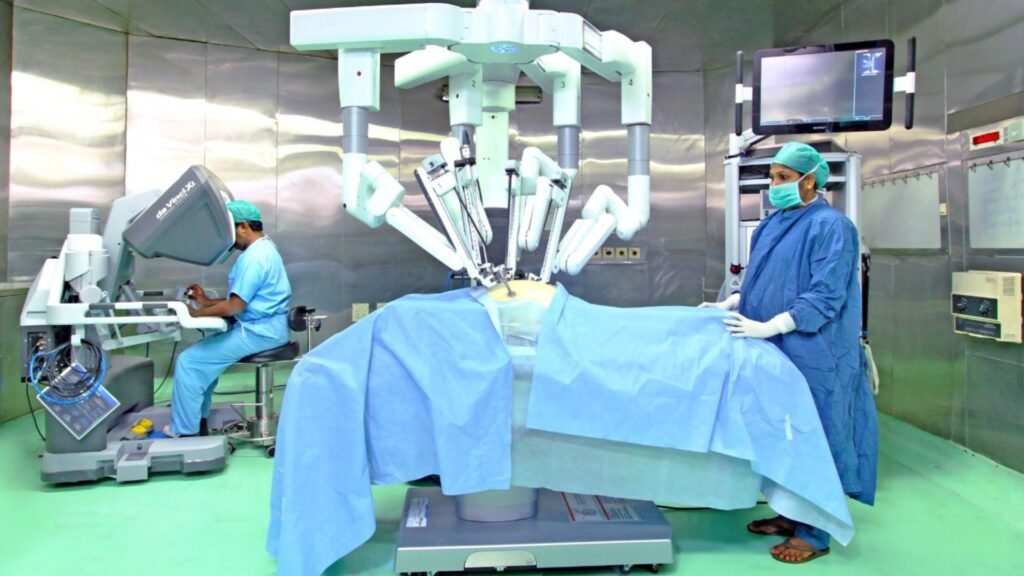
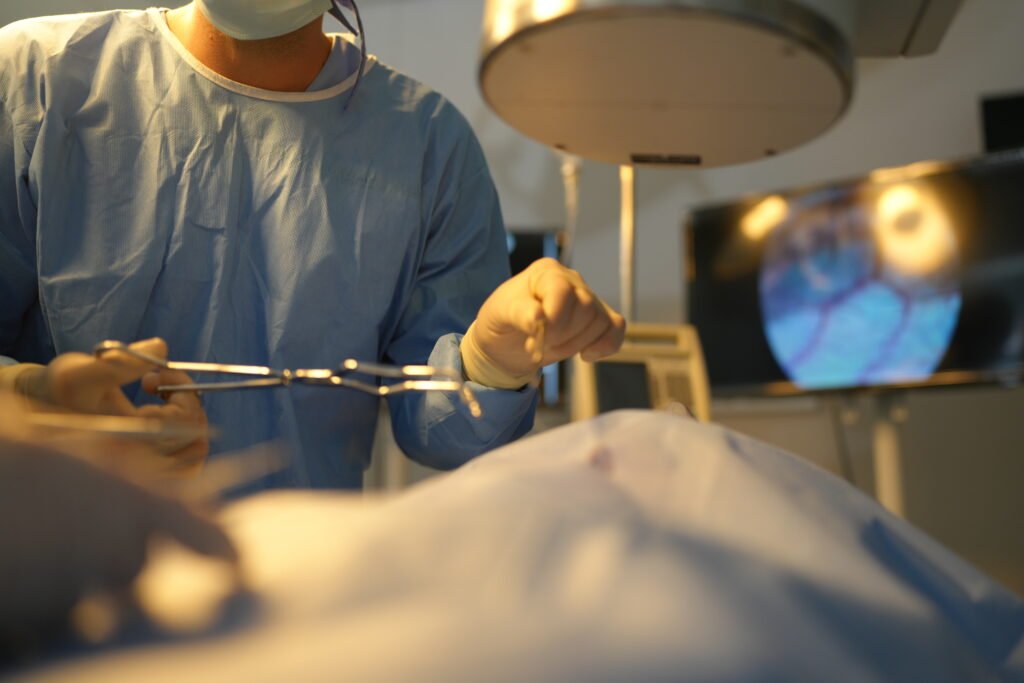

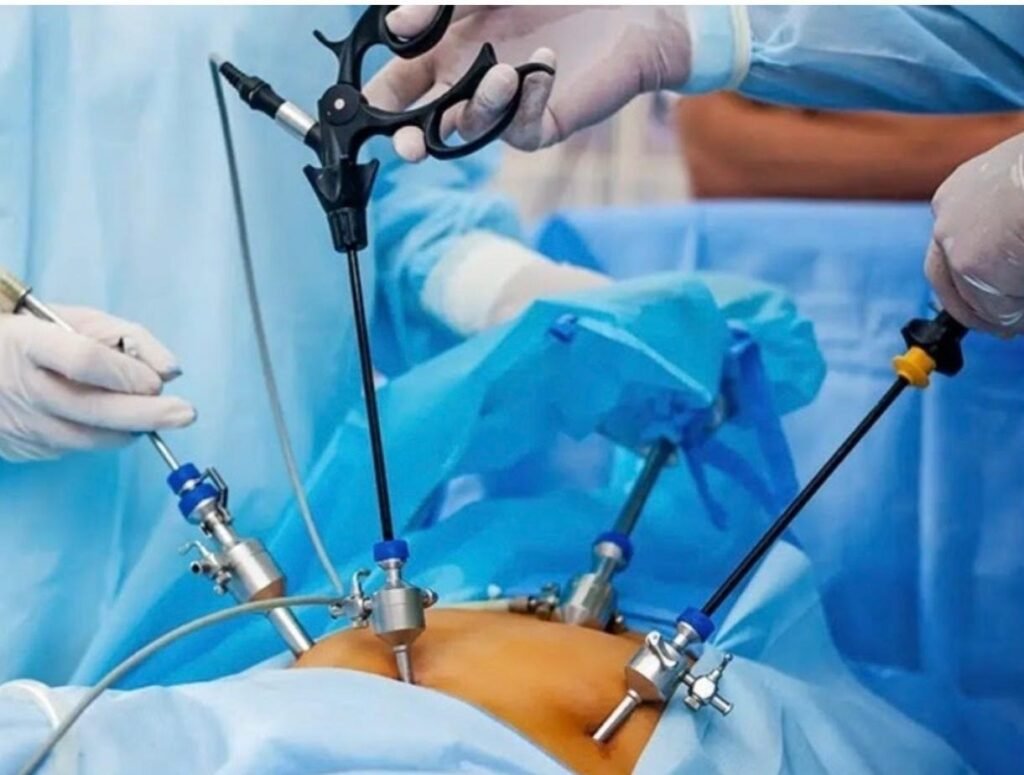
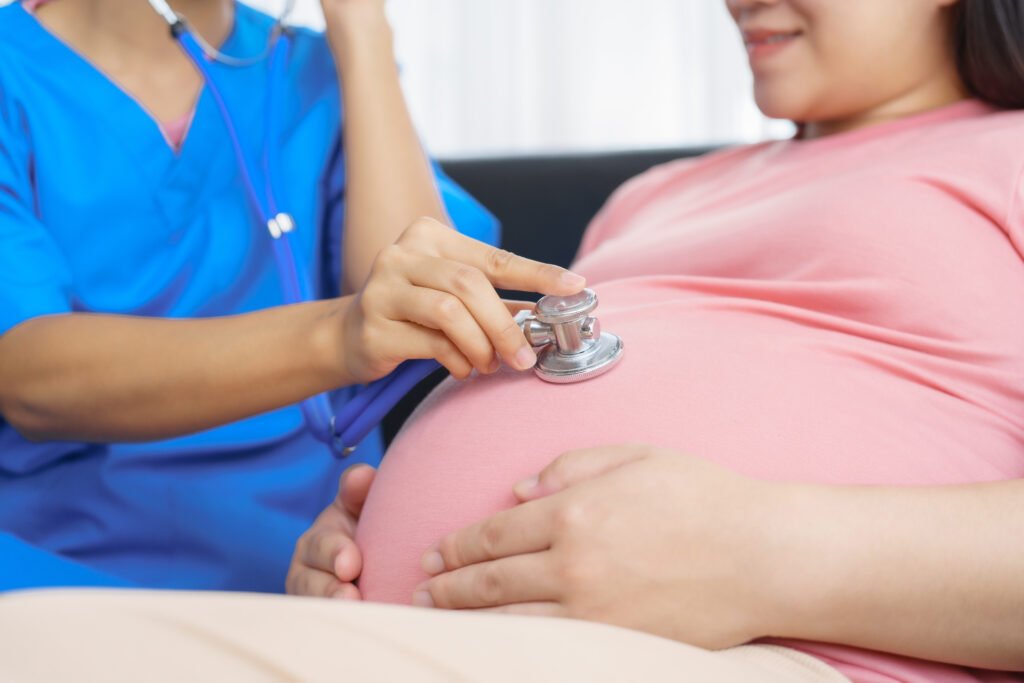
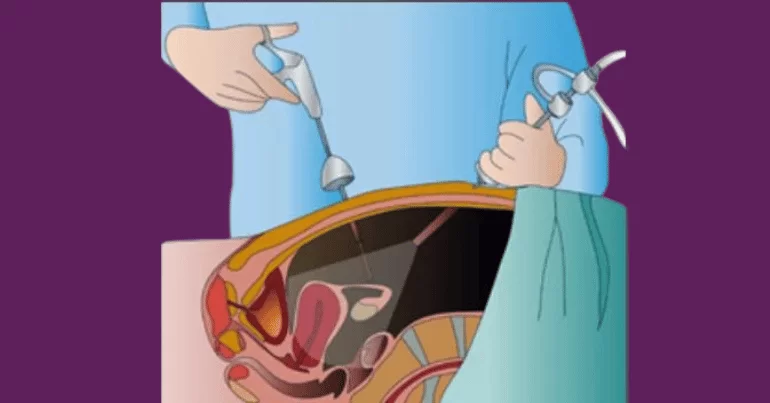
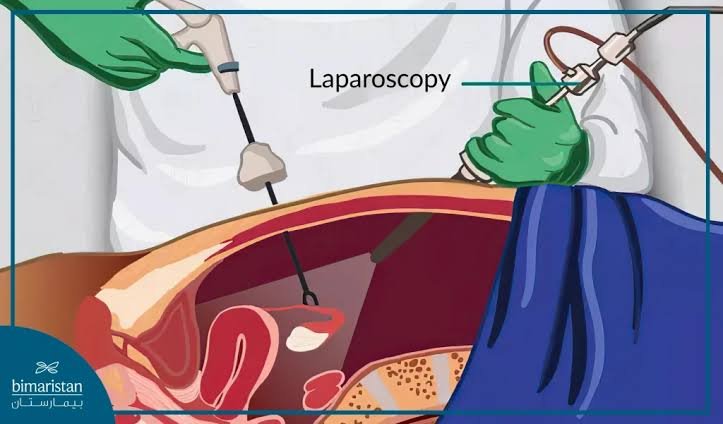
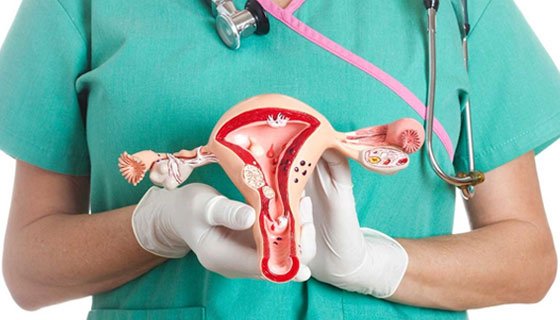
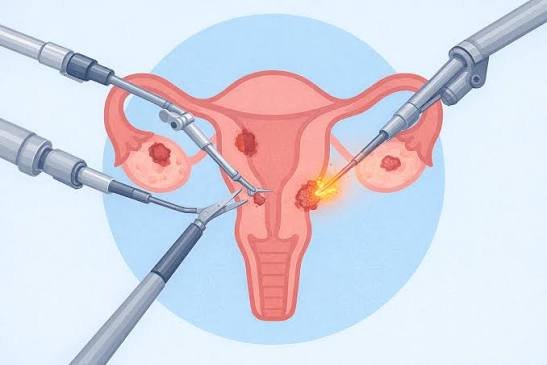
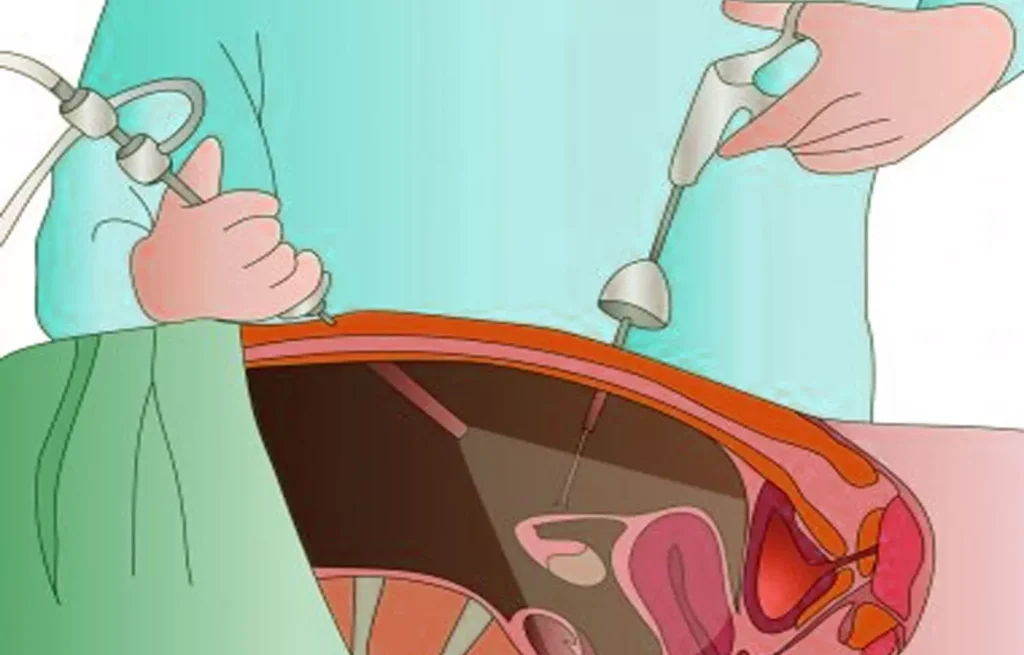
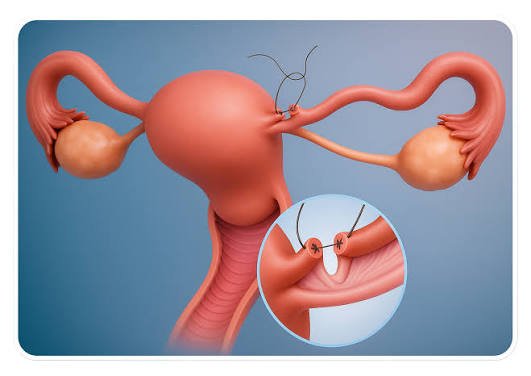
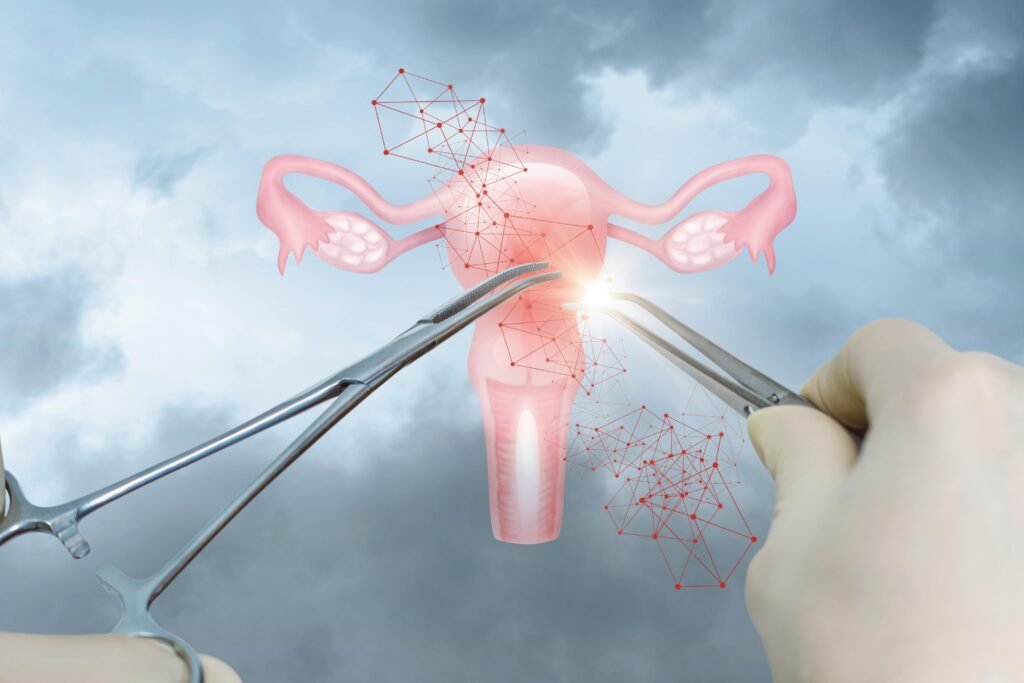
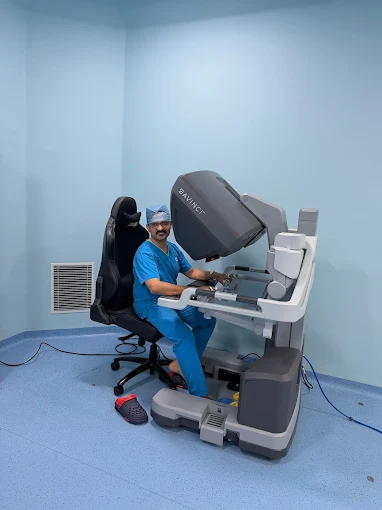
Gynecology treatment includes medical management, procedures without incisions, keyhole surgery and, in selected cases, open surgery. The right choice depends on the diagnosis, the patient's age and general health and any plans for pregnancy. Dr. Ammbalal Gurram's practice covers four broad areas:
• Diagnostic and routine care: Pelvic examination, Pap smear and HPV test, pelvic or transvaginal ultrasound and blood tests for menstrual problems, pelvic pain, infections and routine checks.
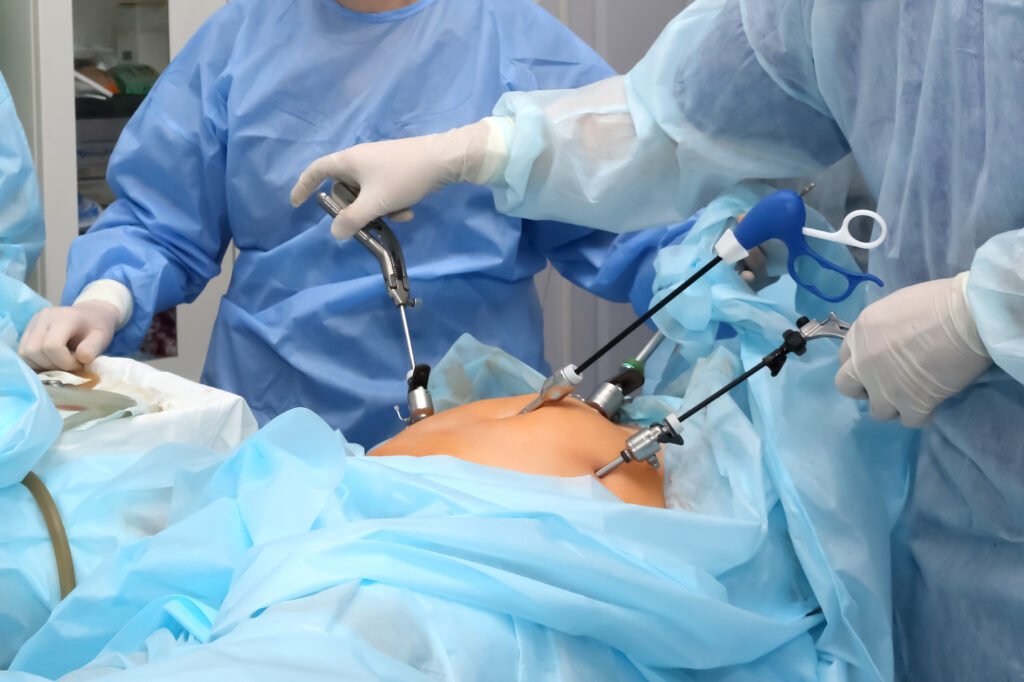
• Minimally invasive surgery: Laparoscopic, hysteroscopic and robotic procedures that use small incisions or none.
• Pelvic floor care: Assessment and treatment of uterine prolapse and stress urinary incontinence.
• Pregnancy care: Antenatal care, high-risk pregnancy management and critical care obstetrics.
Dr. Ammbalal Gurram (MBBS, DGO, DNB) is a Gynecologist in Pune with over 25 years of clinical practice, specializing in laparoscopic and robotic surgery. He has fellowship training in advanced laparoscopic and robotic surgery and heads the Department of Obstetrics & Gynaecology at Manipal Hospital, Baner. He also consults at Ashwinii Nursing Home, Thergaon, providing gynecological consultations and treatment at both locations.
Gynecologist treatment in Baner takes place at Manipal Hospital
on Veerbhadra Nagar Road. The hospital setting supports
planned surgery, high-risk pregnancy care and critical care obstetrics.
Gynecologist treatment in Pune also extends to the Pimpri-Chinchwad
side. Patients from Thergaon, Wakad and
nearby areas can consult Dr. Ammbalal Gurram at
Ashwinii Nursing Home in Samarth Carina, Thergaon,
for diagnosis, treatment planning and follow-up.
No treatment decision is made without a clear diagnosis. Ultrasound, hysteroscopy, blood tests and, where relevant, MRI all play a role in building an accurate picture before any procedure is recommended. This diagnostic discipline reduces the risk of unnecessary surgery and ensures that when an operation is advised, it is targeted precisely at the actual problem.