
Strong foundations matter in surgery. Dr. Ammbalal Gurram completed his core training at respected institutions and then pursued focused fellowships in laparoscopy and robotic surgery.
Active membership in national bodies keeps a surgeon current with evolving standards. Dr. Ammbalal Gurram is associated with the academic and professional societies in his field.
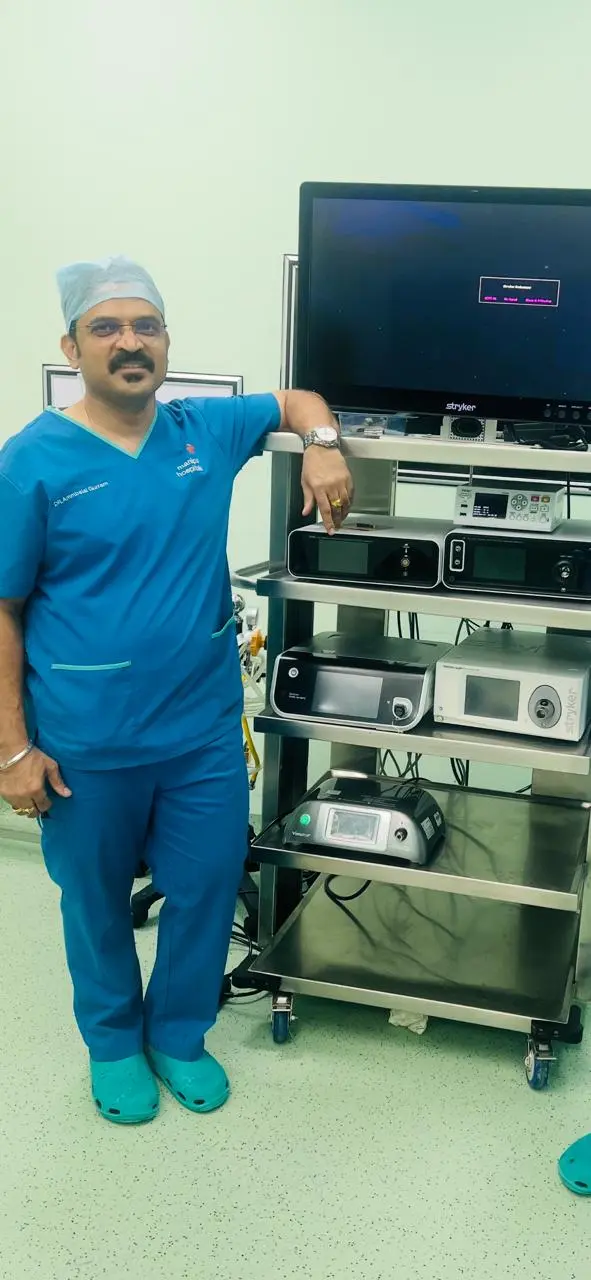

A gynaec laparoscopic surgeon is a gynecologist with additional training in keyhole surgery. A laparoscope, a thin tube with a high-definition camera, is passed through a small cut near the navel. Fine instruments are then inserted through other tiny cuts, and the surgeon works while watching a magnified view on a screen. A skilled Gynaec Laparoscopic Surgeon in Baner, Pune can diagnose and treat many problems of the uterus, ovaries, fallopian tubes and pelvis without opening the abdomen, and can also use laparoscopy to find the cause of pelvic pain or difficulty conceiving.
Patients consult our Gynaec Laparoscopic Surgeon in Baner, Pune, for the following conditions and procedures.

Hysterectomy is the surgical removal of the uterus and may be advised for fibroids, adenomyosis, endometriosis or persistent heavy bleeding. Dr. Ammbalal Gurram evaluates each case and discusses suitable treatment options, surgical approaches and recovery.
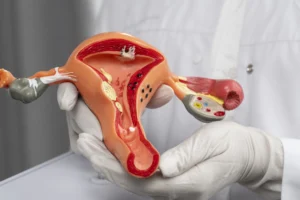
Most ovarian cysts resolve without treatment. Persistent, large or complex cysts may require medical evaluation or surgery. Laparoscopic cystectomy may help remove the cyst while preserving healthy ovarian tissue when appropriate.

Endometriosis occurs when tissue similar to the uterine lining grows outside the uterus, causing pelvic pain, painful periods or fertility concerns. Treatment may include medication, hormonal therapy or laparoscopy, depending on symptoms and clinical evaluation.

Polycystic ovary syndrome (PCOS) can cause irregular periods, acne, excess hair growth and weight gain, and may affect fertility. Management focuses on lifestyle changes, medicines when needed and regular monitoring.

Dr. Ammbalal Gurram provides antenatal consultation, pregnancy monitoring, delivery planning and postnatal care, with additional monitoring for high-risk pregnancies based on individual medical needs.

Hysteroscopy examines the uterus using a thin telescope inserted through the cervix. It helps diagnose and treat conditions such as abnormal bleeding, uterine polyps, adhesions and selected fibroids.