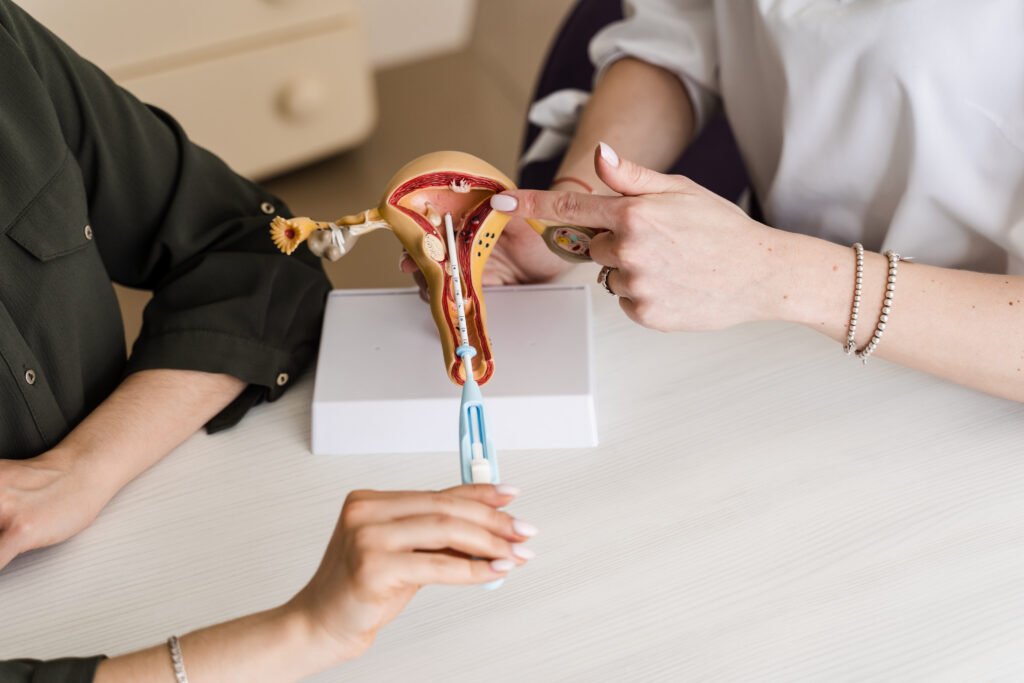
Vaginal Hysterectomy Surgery

Vaginal Hysterectomy Surgery in Pune : Dr. Ammbalal Gurram

Vaginal Hysterectomy Surgery removes the uterus through the vaginal route without any abdominal cut. Dr. Ammbalal Gurram is an Vaginal Hysterectomy Surgery in Pune who provide this scarless approach, which gives patients less pain, no visible scar and a faster recovery than abdominal hysterectomy.

When the uterus must be removed, the route of surgery matters as much as the operation itself. The vaginal route avoids any cut on the abdomen, which is why it is often called the gentlest form of hysterectomy. Dr. Ammbalal Gurram is widely specialist for his exclusive vaginal surgical skill.

The decision to remove the uterus is rarely an easy one, even when the medical reasoning is clear. Knowing that the procedure can often be performed without any visible scar, with less pain and a quicker return to normal life, can meaningfully ease the emotional weight of that decision for many women.

Key takeaway: Vaginal hysterectomy removes the uterus through the vaginal canal. It leaves no abdominal scar, but it is suitable only after an individual assessment.

Vaginal Hysterectomy Surgery in Pune by Dr. Ammbalal Gurram

Over-the-Counter (OTC) Medication Guidance

What Is a Vaginal Hysterectomy Surgery

A vaginal hysterectomy is the removal of the uterus and cervix through an incision made at the top of the vagina. Because the operation is done from below, there is no wound on the abdominal wall and no visible scar. The incision inside the vagina is closed with dissolvable stitches. The main types are:

  • Vaginal hysterectomy for prolapse: The uterus has descended into the vagina. The operation is often combined with repair of the front or back vaginal wall to support the bladder and bowel.
  • Non-descent vaginal hysterectomy (NDVH): The uterus has not prolapsed, but its size and mobility allow removal through the vagina. It is used for heavy bleeding, adenomyosis or small fibroids.
  • Laparoscopy-assisted vaginal hysterectomy (LAVH): A laparoscope is used first to check the pelvis or free the uterus and ovaries, and the uterus is then removed vaginally. This may help when scar tissue or an ovarian cyst needs attention.

The ovaries are not removed as a routine part of a vaginal hysterectomy. Removal of the ovaries or fallopian tubes is a separate decision based on age, family history and surgical findings. It is discussed before consent.

Who May Be Suitable for Vaginal Hysterectomy?

A very large uterus, dense scar tissue from earlier surgery, an ovarian mass, deep endometriosis or a suspected cancer may make another route more suitable. A previous caesarean section, or never having had a vaginal delivery, does not by itself rule out the vaginal route. As a vaginal hysterectomy surgeon in Pune, Dr. Ammbalal Gurram assesses each of these factors before recommending an approach.

Reasons a Hysterectomy May Be Advised

A hysterectomy is typically considered only after other treatment options have been explored and found insufficient, or when the condition itself, such as significant prolapse, makes uterine removal the most definitive and lasting solution available.

Is Hysterectomy the Only Option?

A hysterectomy is permanent and ends the possibility of pregnancy. Non-surgical and uterus-preserving options are therefore discussed first:
•       For prolapse: Pelvic floor muscle exercises, a vaginal pessary (a removable support device) or a repair that preserves the uterus.
•       For heavy bleeding: Tablets, a hormonal intrauterine device (LNG-IUS) or endometrial ablation.
•       For fibroids: Medicines to control symptoms, or removal of the fibroids alone (myomectomy) for women who wish to keep the uterus.

Hysterectomy may be advised when these options are not suitable, have not controlled the symptoms or are not the woman's preference after discussion.

How Is the Right Approach Chosen Before Surgery?

Planning for vaginal hysterectomy surgery in Pune usually includes the following steps:

•       Pelvic examination: To judge the size and mobility of the uterus and the space available in the vagina.
•       Ultrasound scan: To measure the uterus, check for fibroids and assess the ovaries. MRI is used in selected cases.
•       Cervical screening and endometrial sampling: Where indicated, to rule out cancer before surgery.
•       Blood tests and fitness check: Haemoglobin, blood sugar and thyroid levels, with an ECG where needed.
•       Anaesthesia assessment: The anaesthetist plans anaesthesia and pain relief.
•       Discussion of options: The vaginal, laparoscopic, robotic and open routes are explained alongside non-surgical options, with the risks of each.

Key takeaway: The route is chosen on the basis of the examination, the scan and the woman's preferences after discussion. If the vaginal route is not suitable, a laparoscopic or robotic approach may be advised instead.

How Does the Vaginal Route Compare With Other Types of Hysterectomy?

A hysterectomy can be performed through the vagina, by laparoscopy (keyhole surgery), with robotic assistance or through an open abdominal incision. Each route has its own benefits and risks, and no single route is suitable for every woman.Guidance from the American College of Obstetricians and Gynecologists (ACOG Committee Opinion No. 701) describes vaginal hysterectomy as the approach of choice for benign conditions when it is feasible. When the vaginal route is not feasible, laparoscopic hysterectomy is described as the preferred alternative to open surgery. A Cochrane review of randomised trials (2023 update) found that vaginal hysterectomy probably leads to a quicker return to normal activities than abdominal hysterectomy.

In general, the routes differ in the following ways:

Abdominal incision: There is no abdominal incision with the vaginal route. Laparoscopic and robotic surgery use a few small incisions. Open surgery uses one longer incision.
Visible scar: There is no scar on the abdomen after a vaginal hysterectomy, as the stitches are placed inside the vagina.
Hospital stay: Often 1 to 2 days after a vaginal hysterectomy and often 3 to 5 days after open surgery. The actual stay depends on recovery and any additional procedures.
Return to light activity: Many women resume light activity about 2 to 3 weeks after a vaginal hysterectomy, though this varies from person to person.
Suitability: The vaginal route depends on the size of the uterus and the space available for access. A laparoscopic or robotic route may be considered for a larger uterus, endometriosis or ovarian disease.

The route is decided for each patient after an examination, a review of the scans and a discussion of the benefits and risks of each option, with her preferences taken into account.

Note: the hospital stay and recovery ranges are an industry estimate and do not guarantee individual outcomes. Further information on keyhole approaches is available on the minimally invasive gynecologic surgery page and in the list of laparoscopic surgery procedures.


How the Procedure Is Performed

Vaginal Hysterectomy surgery in Pune carried out entirely through the vaginal canal, with the surgeon carefully detaching the uterus from its surrounding ligaments and blood supply before removing it. Modern energy devices allow for precise sealing of blood vessels during this process, which helps minimise blood loss. The vaginal tissue is then carefully closed, leaving the surrounding anatomy intact and supported.

Risks and Safety Considerations

As with any major surgery, vaginal hysterectomy carries some risk, including bleeding, infection, or injury to nearby structures such as the bladder or bowel. These risks are uncommon in experienced hands and are discussed openly with every patient before surgery, alongside the specific steps taken to minimise them during the procedure itself.

Dr. Ammbalal Gurram Specialist in Vaginal Hysterectomy Surgery

Dr. Ammbalal Gurram is a Vaginal Hysterectomy Surgeon in Baner, Pune, providing surgical care for women with various gynecological conditions. His practice includes vaginal hysterectomy and other vaginal surgical procedures, with the use of appropriate surgical techniques and energy-based instruments for tissue sealing when clinically indicated. The suitability of the vaginal approach is assessed based on each patient’s medical condition, uterine size, surgical history and individual healthcare needs.

What We Provide

Personalized Healthcare Solutions for Every Stage of Life


Gynecological care focused on women’s health and well-being. Our services include routine check-ups, pregnancy care, management of gynecological conditions, and surgical consultation with a Vaginal Hysterectomy Surgeon in Pune, based on individual medical needs.


What Does Vaginal Hysterectomy Surgery in Pune Cost?

The cost of Vaginal Hysterectomy Surgery in Pune may vary depending on the patient’s medical condition, the complexity of the procedure, hospital facilities, required investigations and length of hospital stay. Vaginal hysterectomy does not require an abdominal incision and may involve a shorter hospital stay compared with open abdominal surgery in suitable cases. However, recovery time and overall expenses depend on individual medical needs.

Manipal Hospital, Baner, and Ashwinii Nursing Home, Thergaon, may offer health insurance and cashless treatment facilities, depending on the patient’s policy and hospital arrangements. Patients are advised to confirm insurance coverage, eligibility and applicable expenses with the hospital before treatment.

During a consultation, Dr. Ammbalal Gurram can assess the patient’s condition, explain suitable treatment options and discuss the estimated costs of the recommended procedure. This helps patients understand the potential expenses, available insurance options and financial considerations before making a treatment decision.

Choosing a Specialist for Vaginal Hysterectomy Surgery in Pune

Pune provide many options for gynecological and obstetric care, which can make choosing the right specialist feel overwhelming. Beyond qualifications and experience, it is worth considering how a doctor communicates, whether explanations are clear and unhurried, and whether the recommended treatment approach favours the least invasive option that genuinely solves your problem rather than defaulting to surgery.

Dr. Ammbalal Gurram 26 years of focused practice, his fellowship training in advanced laparoscopic and robotic techniques and his consistent 4.9 patient rating across hundreds of reviews reflect a combination of technical skill and patient centred communication that is central to making an informed choice. Speaking directly with a specialist during a consultation, rather than relying on online research alone, remains the most reliable way to determine whether their approach  are the right fit for your specific situation.

01

Make An appoinment

Schedule your appointment quickly and easily. Choose a date and time that fits your schedule, and our team will be ready to assist you with personalized care and attention.

02

Consultation

Get guidance tailored to your needs. Schedule a consultation with our experienced professionals to discuss your concerns and receive personalized recommendations.

03

Begin Your Treatment

Start your journey toward better health with a personalized treatment plan tailored to your needs. Our experienced team is committed to providing compassionate care every step of the way.

Patient Journey at Ashwinii Nursing Home

A typical patient journey begins with a detailed first consultation, where your symptoms, history and any existing reports are reviewed thoroughly before any examination or further testing takes place. If additional investigations such as an ultrasound or blood test are required, these are often arranged promptly, sometimes on the same day, to avoid unnecessary delays in reaching a diagnosis.

Once a diagnosis is established, Dr. Ammbalal Gurram discusses the available treatment options in clear, accessible language, outlining the expected benefits, risks and recovery timeline for each path so that you can make a fully informed decision. If surgery is the right choice, the team coordinates pre-operative preparation, schedules the procedure at your preferred clinic location and provides detailed instructions to help you prepare with confidence.

Following surgery, structured follow-up visits track your recovery, review any pathology results and confirm that healing is progressing as expected. Throughout this entire journey, from the first phone call to the final follow-up appointment, the goal remains the same, to provide care that is thorough, honest and centred entirely around your health and your comfort.

Vaginal Hysterectomy Surgeon in Pune – Dr. Ammbalal Gurram

Common Myths and Misconceptions

Misinformation about gynecological and obstetric conditions spreads easily, often causing unnecessary anxiety or delaying women from seeking the care they need. One common myth is that any mention of surgery automatically means a major, life altering operation, when in reality many modern gynecological procedures are minimally invasive, brief and associated with a quick return to normal life. Another frequent misconception is that symptoms such as heavy bleeding, pelvic discomfort, or urinary leakage are simply a normal part of life that must be tolerated, rather than treatable medical conditions with effective solutions available.

Dr. Ammbalal Gurram makes a point of addressing these misconceptions directly during consultations, ensuring that decisions about your health are based on accurate, current medical understanding rather than outdated assumptions or anecdotal stories from family and friends. Taking the time to ask questions and seek clarification, rather than relying solely on internet searches, remains one of the most effective ways to separate reliable medical guidance from misinformation.

The Importance of Follow-Up Care

Follow-up care is an integral part of any treatment plan, not an optional formality. Whether you have undergone surgery, started a new medication, or are simply being monitored for a condition such as a small ovarian cyst, scheduled follow-up visits allow Dr. Ammbalal Gurram to confirm that healing is progressing as expected and to catch any emerging concerns early, before they become more significant.

For surgical patients, follow-up typically includes a review of pathology results where relevant, an assessment of wound healing and a discussion of any residual symptoms or concerns. For patients on a monitoring pathway rather than immediate treatment, scheduled follow-up scans or examinations track whether a condition is stable, improving, or requires a change in the treatment plan. Consistent follow-up, even when you are feeling well, is one of the most valuable habits in maintaining long term gynecological health.

An Evidence-Based Approach to Gynecological Care

Dr. Ammbalal Gurram follows an evidence-based approach to gynecological care, considering each patient’s medical history, clinical findings and individual health needs. The consultation process focuses on explaining the diagnosis, available treatment options, potential risks and expected outcomes in clear, understandable language. Patients are encouraged to discuss their concerns and participate in treatment decisions based on appropriate medical guidance and individual clinical assessment.

Frequently Asked Questions

What is the advantage of a vaginal hysterectomy?

The main advantage is that the uterus is removed without any abdominal cut, so there is no visible scar. Patients also experience less pain, lower infection risk and a faster recovery than with abdominal surgery.

Is a vaginal hysterectomy painful?

Pain is usually mild because there is no abdominal incision. Most patients manage with simple pain relief and recover faster than after open hysterectomy.

How long is the hospital stay?

The hospital stay is usually short, often one to two days. The exact duration depends on your overall health and how your recovery progresses after surgery.

Will I have a scar after the surgery?

No. A vaginal hysterectomy leaves no external scar because the operation is performed through the vaginal route without any cut on the abdomen.

Who performs vaginal hysterectomy in Pune?

Dr. Ammbalal Gurram performs vaginal hysterectomy in Pune at Manipal Hospital Baner and Ashwinii Nursing Home Thergaon. He is recognised for his expertise in scarless vaginal surgery.

What happens to my menstrual cycle after a hysterectomy?

After a hysterectomy, menstrual periods stop completely since the uterus is removed. If the ovaries are preserved, hormonal function generally continues until natural menopause occurs.

Can vaginal hysterectomy be performed if I have had a prior caesarean?

In many cases yes, though a prior caesarean section is carefully evaluated for any scar tissue that might affect the procedure. Dr. Ammbalal Gurram assesses this during your pre-surgical consultation and examination.

How soon can I resume normal activity after recovery?

Most women resume light daily activity within two to three weeks and return to full normal routine, including exercise, within six weeks, following the specific guidance provided for your individual recovery.

Discuss the Right Route for You

Not every hysterectomy needs to involve an abdominal incision. With the right speciality many women are excellent candidates for a vaginal hysterectomy that provide a scarless result, less pain and a quicker recovery. Dr. Ammbalal Gurram specific skill in vaginal surgical technique means this gentler option is genuinely available to more patients. Book a consultation to find out if the vaginal route is right for your condition.

For Appointment

Schedule your appointment in just a few clicks. Choose a date and time that works best for you, and our team will be ready to assist you.

Scroll to Top