
Hysterectomy: When Is Uterus Removal Recommended?
Hearing your doctor say the word hysterectomy can be overwhelming . Many women ask the same questions: Is the removal of uterus really necessary? Are there other options? How long will recovery take? The truth is that a hysterectomy is rarely the first line of treatment. Doctors usually suggest this uterine operation only when other treatments have failed or when a condition makes uterus removal the safest choice.
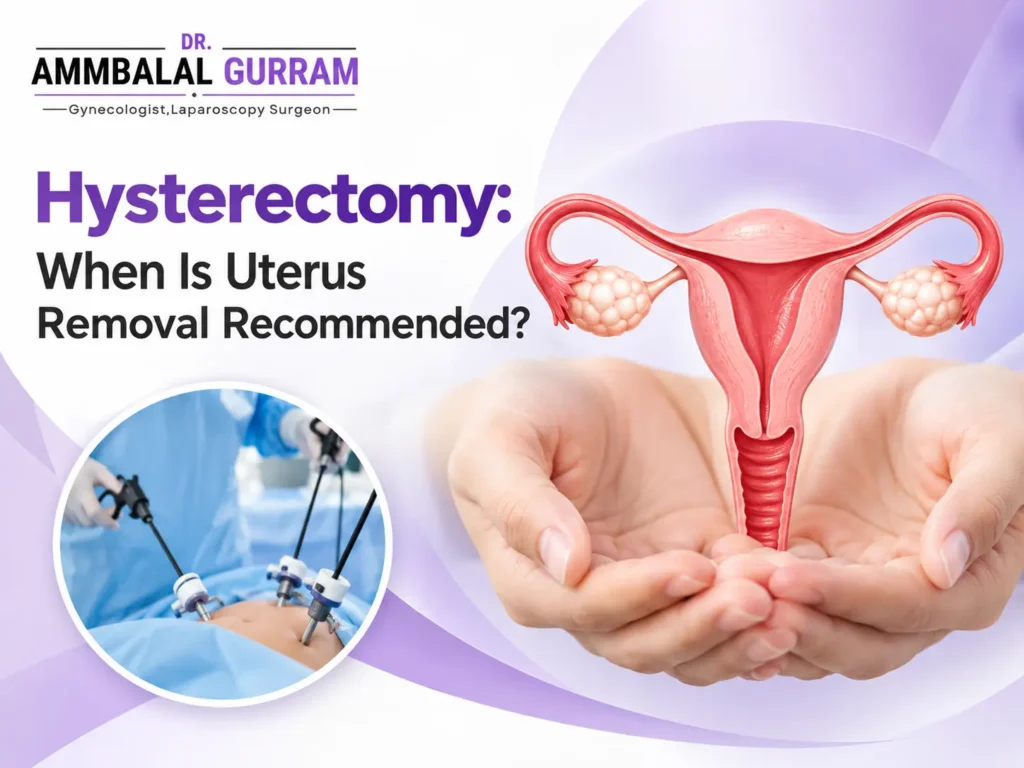
In this guide, we explain what a hysterectomy is, when uterus removal is necessary, the medical reasons behind it, the alternatives to try first, the risks and benefits, and what to expect during recovery.
What Is Hysterectomy?
A hysterectomy is a surgical procedure to remove the uterus (womb). In hysterectomy surgery, the cervix, fallopian tubes and ovaries may also be removed, depending on the condition being treated. After surgical removal of the uterus, a woman no longer has periods and cannot become pregnant.
Types of hysterectomy treatment
- Partial (subtotal) hysterectomy: Only the upper part of the uterus is removed; the cervix is left in place.
- Total hysterectomy: The entire uterus and cervix are removed. This is the most common type of uterus removal surgery.
- Radical hysterectomy : The uterus, cervix, upper vagina and surrounding tissue are removed, usually for cancer.
- Hysterectomy with salpingo-oophorectomy: Removal of one or both ovaries and fallopian tubes along with the uterus.
Why Is Hysterectomy Recommended?
Hysterectomy is recommended when a condition of the uterus causes severe symptoms, affects quality of life or threatens health, and other treatments have not worked or are not suitable. Because it is a permanent procedure, doctors consider the woman’s age, symptoms, test results and future plans for children before advising surgery.
When Do Doctors Recommend Hysterectomy?
Doctors recommend hysterectomy when medicines, hormonal therapy or less invasive procedures cannot control the problem, or when the disease itself, such as cancer, needs the uterus to be removed. Understanding the common hysterectomy indications can help you have a more informed discussion with your gynaecologist.
When Is Uterus Removal Necessary? Medical Reasons for Uterus Removal
Not every uterine problem needs surgery. The following are the most important medical reasons for uterus removal, and the answer to the common question, “what conditions require uterus removal?”
1. Hysterectomy for uterine fibroids
Fibroids are non-cancerous growths in the uterus. Many cause no trouble, but large or multiple fibroids can cause heavy periods, anaemia, pelvic pressure, frequent urination and pain. If medicines and fibroid-sparing procedures have not helped and the woman does not plan more children, hysterectomy for uterine fibroids offers a permanent solution.
2. Hysterectomy for heavy menstrual bleeding
Very heavy, prolonged or irregular bleeding can lead to tiredness, anaemia and disruption of daily life. When hormonal pills, a hormonal IUD or endometrial ablation fail or are unsuitable, hysterectomy for heavy menstrual bleeding may be recommended.
3. Hysterectomy for adenomyosis
In adenomyosis, the inner lining of the uterus grows into its muscular wall, causing painful, heavy periods and an enlarged, tender uterus. Hysterectomy for adenomyosis is the only definitive cure when symptoms are severe.
4. Hysterectomy for endometriosis
When endometriosis causes persistent pelvic pain that does not improve with medicines or conservative surgery, hysterectomy for endometriosis, sometimes with removal of the ovaries, may be considered.
5. Uterine prolapse
When the pelvic floor weakens, the uterus can slip down into the vagina, causing heaviness, urinary problems and discomfort. Hysterectomy, often through the vaginal route, is a common treatment for moderate to severe prolapse.
6. Chronic pelvic pain
Long-standing pelvic pain clearly linked to the uterus, and not relieved by other treatment, may be an indication for surgery after careful evaluation.
7. Cancer or precancerous conditions
Cancer of the uterus, cervix, ovaries or fallopian tubes is one of the most important reasons for hysterectomy. It may also be advised for precancerous changes such as complex endometrial hyperplasia with atypia.
8. Life-threatening emergencies
Rarely, an emergency hysterectomy is needed to save a life, for example in uncontrolled bleeding after childbirth, severe uterine infection or a ruptured uterus.
Can Uterine Fibroids Be Treated Without Hysterectomy?
Yes, in many cases. Unless you have cancer or an emergency, it is reasonable to ask about alternatives before choosing the surgical removal of uterus. Depending on your condition, options may include:
- Medicines such as tranexamic acid, hormonal pills or progesterone therapy to control bleeding and pain
- A hormonal intrauterine system (hormonal IUD)
- Myomectomy, which removes fibroids while keeping the uterus
- Uterine artery embolisation to shrink fibroids
- Endometrial ablation for heavy periods
- Pelvic floor exercises, a pessary or repair surgery for mild prolapse
Your gynaecologist can explain which option suits your age, symptoms, fertility plans and overall health.
At What Age Is Hysterectomy Recommended?
There is no fixed age for a hysterectomy. The decision depends on the condition, the severity of symptoms and whether you want to have children. Hysterectomy is most often performed in women in their 40s and 50s, but it may be needed earlier or later, for example in younger women with severe disease or in older women with prolapse or cancer. In younger women, doctors try fertility-preserving options first whenever it is safe to do so.
Uterus Removal Procedure: How Is Hysterectomy Surgery Performed?
The uterus removal procedure can be done in several ways:
- Abdominal hysterectomy: A larger cut in the lower abdomen. It may be needed for a very large uterus or cancer surgery, but recovery is longer.
- Vaginal hysterectomy: The uterus is removed through the vagina with no abdominal cut and no visible scar.
- Laparoscopic hysterectomy: Done through a few small keyhole incisions using a camera and fine instruments. It usually means less pain, a shorter hospital stay, smaller scars and quicker recovery.
- Robotic-assisted hysterectomy: Keyhole surgery with robotic assistance, available at selected centres.
The best approach depends on the size of the uterus, previous surgeries, the underlying condition and the surgeon’s experience.
Laparoscopic Hysterectomy in Pune
Laparoscopic hysterectomy in Pune is now widely available and is often preferred when the surgery is safe and suitable. Because it uses small incisions, women generally have less pain and blood loss, go home sooner and return to routine activities faster than after open surgery. A surgeon trained in advanced laparoscopic gynaecology can tell you whether this approach is right for your uterine operation. Dr. Ammbalal Gurram, a Gynaec Laparoscopic Surgeon in Baner, Pune, evaluates each patient individually to decide whether a laparoscopic hysterectomy is the safest and most suitable option.
Hysterectomy Risks and Benefits
Benefits
- Permanent relief from heavy bleeding and period pain
- Relief from pelvic pressure caused by fibroids or prolapse
- Removal of diseased tissue and, in cancer, a chance of cure
- No further need for repeated treatments for the same problem
Risks
Like any major surgery, hysterectomy carries risks, including infection, bleeding, blood clots, injury to nearby organs such as the bladder or bowel, and anaesthesia-related complications. If the ovaries are removed before menopause, surgical menopause begins immediately, with hot flushes, sleep problems and mood changes, and a higher long-term risk of bone loss. Your surgeon will explain the risks in the context of your own health.
Hysterectomy Recovery Time: How Long Does Recovery Take After Hysterectomy?
Recovery depends on the type of surgery. After laparoscopic or vaginal hysterectomy, most women go home within one to two days and return to light daily activities in about two weeks. After abdominal surgery, the hospital stay is longer and full recovery usually takes four to six weeks. In general:
- Walk gently from the first day to improve circulation and prevent clots
- Avoid heavy lifting and strenuous exercise for about six weeks, or as advised
- Avoid intercourse until your doctor confirms healing, usually after six weeks
- Report fever, heavy bleeding, foul-smelling discharge, severe pain or calf swelling immediately
What Happens After Uterus Removal?
After uterus removal, periods stop permanently and pregnancy is no longer possible. If the ovaries are kept, they continue to make hormones, so you do not automatically enter menopause. If both ovaries are removed, menopause begins right away and your doctor may discuss hormone therapy or other ways to manage symptoms. Most women feel better once pain and heavy bleeding are gone, and resume normal work and sexual life after recovery. Regular follow-up visits help your doctor monitor healing and your long-term health.
Questions to Ask Your Gynaecologist Before Surgery
- Is hysterectomy the only option for my condition?
- Which type of hysterectomy do you recommend, and why?
- Can the surgery be done laparoscopically?
- Will my ovaries and cervix be removed, and what does that mean for me?
- What are the risks specific to my health?
- How long will recovery take, and when can I return to work?
It is always reasonable to seek a second opinion before a major surgery.
Frequently Asked Questions
Is hysterectomy a major surgery? Yes, but modern keyhole techniques have made it safer, with quicker recovery.
Will I go into menopause after a hysterectomy? Only if both ovaries are removed. If they are left in place, you stop having periods but your ovaries continue to produce hormones.
Can I get pregnant after a hysterectomy? No. Once the uterus is removed, pregnancy is not possible, so the decision needs careful thought, especially for younger women.
Will I gain weight after a hysterectomy? The surgery itself does not cause weight gain, but reduced activity during recovery and hormonal changes can contribute. A balanced diet and regular exercise help.
Hysterectomy Surgery in Pune: Consult an Experienced Gynaecologist
A hysterectomy should be recommended only after careful evaluation, and you deserve a clear explanation of every option. If you have fibroids, heavy periods, adenomyosis, endometriosis, prolapse or persistent pelvic pain and are unsure whether uterus removal surgery in Pune is right for you, consult an experienced gynaecologist.
Dr. Ammbalal Gurram, Gynaec Laparoscopic Surgeon in Baner, Pune, offers consultation and minimally invasive treatment for a wide range of gynaecological conditions, including laparoscopic hysterectomy. Consult for an accurate diagnosis and a treatment plan tailored to you.
Clinic address: [Manipal Hospitals Baner, Survey No 111/11/1 Veerbhadra Nagar Rd, Baner – Mahalunge Rd, Baner, Pune, Maharashtra 411069 ]
Phone / WhatsApp: [+918600711131 ]
Clinic address: [Office 1,2, Samarth Carina, 3 &4, Commercia, near Raghavendra Swami Math, Thergaon, Pimpri-Chinchwad, Maharashtra 411033 ]
Phone / WhatsApp: [+918408919177 ]