Hysteroscopy and Gynaec Laparoscopy
Hysteroscopy and Gynaec Laparoscopy Surgery in Pune, PCMC
Hysteroscopy inspects and treats the inside of the uterus through the cervix, while gynaec laparoscopy examines the pelvic organs through small abdominal incisions. Dr. Ammbalal Gurram performs both procedures in Pune to diagnose and treat uterine and pelvic conditions with minimal access.
Sometimes a scan cannot fully explain a problem and the surgeon needs a direct view inside. Hysteroscopy and laparoscopy provide that view with very little disturbance to the body. They are powerful tools for both diagnosis and treatment in modern gynecology.
Imaging such as ultrasound is an excellent first step, yet it has limits in detecting certain subtle abnormalities within the uterine cavity or in distinguishing between similar looking conditions in the pelvis. Direct visualisation through hysteroscopy or laparoscopy often resolves uncertainty that scans alone cannot, while frequently allowing treatment in the very same procedure.

Over-the-Counter (OTC) Medication Guidance
Other Service
Take the First Step to Better Health Today
Consequat vitae dis elit venenatis aliquam id porta duis. Penatibus sem libero sit arcu sem porta et.
What Is Hysteroscopy
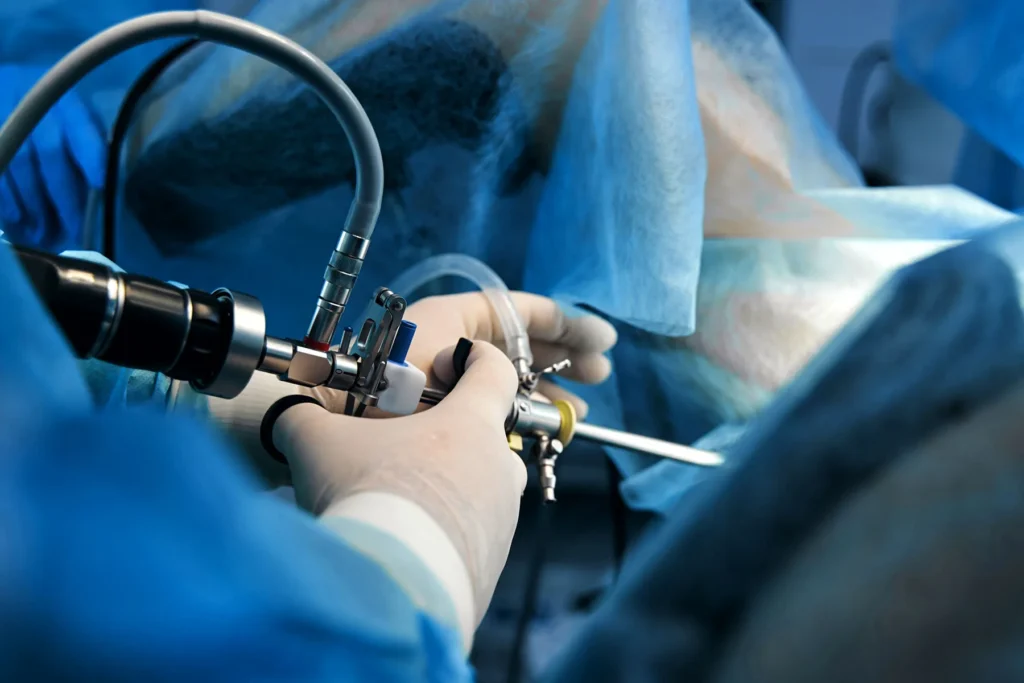
Hysteroscopy uses a thin lighted telescope passed through the cervix to inspect the inside of the uterus. It needs no incision. It can find and treat polyps, fibroids inside the cavity, scar tissue and causes of abnormal bleeding.
Because hysteroscopy enters through the body’s natural pathway, it avoids any surgical incision altogether, making it one of the gentlest procedures in gynecological surgery. Diagnostic hysteroscopy can often be performed in a brief outpatient setting, while operative hysteroscopy to remove a polyp or fibroid typically requires a short day care admission under anaesthesia.
What Is Gynaec Laparoscopy
Gynaec laparoscopy uses a camera passed through a small cut near the navel to view the uterus, ovaries and fallopian tubes. It helps diagnose and treat endometriosis, cysts, adhesions and tubal problems through a keyhole approach.
This technique provides a view of the external surface of the reproductive organs and the surrounding pelvic cavity, complementing what hysteroscopy reveals about the internal uterine cavity. Together, the two procedures can offer a complete picture of a woman’s reproductive anatomy when investigating complex or unexplained symptoms.
Conditions These Procedures Address
- Abnormal uterine bleeding
- Uterine polyps and submucous fibroids
- Intrauterine adhesions and scarring
- Endometriosis and pelvic adhesions
- Unexplained infertility requiring direct assessment
For women experiencing difficulty conceiving without an obvious cause on standard testing, combined hysteroscopy and laparoscopy often uncovers structural issues, such as a polyp distorting the uterine cavity or endometriosis affecting the fallopian tubes, that would otherwise remain undetected through imaging alone.
Diagnostic and Treatment Roles
- Diagnostic hysteroscopy to inspect the uterine cavity
- Operative hysteroscopy to remove polyps or septum
- Diagnostic laparoscopy to assess pelvic organs
- Operative laparoscopy to treat cysts and adhesions
- Combined procedures when both views are needed
A significant advantage of these techniques is that diagnosis and treatment frequently happen in a single sitting. If a polyp is identified during diagnostic hysteroscopy, it can typically be removed immediately during the same procedure, sparing the patient a separate surgical visit and a second period of recovery.
How the Procedures Are Performed
For hysteroscopy, the cervix is gently dilated and the hysteroscope is guided into the uterine cavity, which is distended with fluid to allow clear visualisation. For laparoscopy, a small incision near the navel allows the laparoscope to enter the abdominal cavity, which is gently inflated with gas to create working space, after which additional fine instruments are introduced through one or two further small incisions as needed.
Recovery and Benefits
Both procedures involve little or no cutting, so recovery is quick. Hysteroscopy often allows the patient to go home the same day. Laparoscopy usually means a stay of a day. Pain is mild and most women resume normal activity within a few days.
Many patients are surprised by how quickly they feel ready to return to their normal routine after these procedures, often within just two to three days for hysteroscopy and within a week for laparoscopy, though specific timelines depend on the extent of treatment performed.
When Both Procedures Are Combined
In certain cases, particularly when investigating unexplained infertility or persistent abnormal bleeding, Dr. Gurram performs hysteroscopy and laparoscopy together in a single surgical session. This combined approach provides a complete internal and external assessment of the reproductive organs, allowing both diagnosis and any necessary treatment to be completed efficiently in one visit under one anaesthesia.
What We Offers
Personalized Healthcare Solutions for Every Stage of Life
Expert gynecological care focused on your comfort, health, and confidence. We offer comprehensive women’s healthcare, including routine exams, pregnancy care, and treatment for a wide range of conditions.
Cost Considerations in Pune
The cost of gynecological and obstetric treatment in Pune varies depending on the complexity of the procedure, the surgical approach used, the hospital facilities involved and the length of stay required. Laparoscopic, hysteroscopic and vaginal procedures generally involve a shorter hospital stay than open surgery, which can also make them a more cost effective option once recovery time, follow-up visits and time away from work are factored in alongside the direct hospital charges.
Both Manipal Hospital Baner and Ashwinii Nursing Home Thergaon work with a range of health insurance providers, and the clinic team assists patients in understanding their coverage and navigating the cashless claims process wherever applicable. During your consultation, Dr. Gurram and his team can provide a clear estimate of expected costs based on your specific diagnosis and the recommended treatment plan, so that financial planning is straightforward and free of unexpected surprises.
Choosing the Right Specialist in Pune
Pune offers many options for gynecological and obstetric care, which can make choosing the right specialist feel overwhelming. Beyond qualifications and experience, it is worth considering how a doctor communicates, whether explanations are clear and unhurried, and whether the recommended treatment approach favours the least invasive option that genuinely solves your problem rather than defaulting to surgery.
Dr. Ammbalal Gurram’s 26 years of focused practice, his fellowship training in advanced laparoscopic and robotic techniques and his consistent 4.9 patient rating across hundreds of reviews reflect a combination of technical skill and patient centred communication that is central to making an informed choice. Speaking directly with a specialist during a consultation, rather than relying on online research alone, remains the most reliable way to determine whether their approach and expertise are the right fit for your specific situation.
Patient Journey at Dr. Gurram's Clinic
A typical patient journey begins with a detailed first consultation, where your symptoms, history and any existing reports are reviewed thoroughly before any examination or further testing takes place. If additional investigations such as an ultrasound or blood test are required, these are often arranged promptly, sometimes on the same day, to avoid unnecessary delays in reaching a diagnosis.
Once a diagnosis is established, Dr. Gurram discusses the available treatment options in clear, accessible language, outlining the expected benefits, risks and recovery timeline for each path so that you can make a fully informed decision. If surgery is the right choice, the team coordinates pre-operative preparation, schedules the procedure at your preferred clinic location and provides detailed instructions to help you prepare with confidence.
Following surgery, structured follow-up visits track your recovery, review any pathology results and confirm that healing is progressing as expected. Throughout this entire journey, from the first phone call to the final follow-up appointment, the goal remains the same, to provide care that is thorough, honest and centred entirely around your health and your comfort.
Common Myths and Misconceptions
Misinformation about gynecological and obstetric conditions spreads easily, often causing unnecessary anxiety or delaying women from seeking the care they need. One common myth is that any mention of surgery automatically means a major, life altering operation, when in reality many modern gynecological procedures are minimally invasive, brief and associated with a quick return to normal life. Another frequent misconception is that symptoms such as heavy bleeding, pelvic discomfort, or urinary leakage are simply a normal part of life that must be tolerated, rather than treatable medical conditions with effective solutions available.
Dr. Gurram makes a point of addressing these misconceptions directly during consultations, ensuring that decisions about your health are based on accurate, current medical understanding rather than outdated assumptions or anecdotal stories from family and friends. Taking the time to ask questions and seek clarification, rather than relying solely on internet searches, remains one of the most effective ways to separate reliable medical guidance from misinformation.
The Importance of Follow-Up Care
Follow-up care is an integral part of any treatment plan, not an optional formality. Whether you have undergone surgery, started a new medication, or are simply being monitored for a condition such as a small ovarian cyst, scheduled follow-up visits allow Dr. Gurram to confirm that healing is progressing as expected and to catch any emerging concerns early, before they become more significant.
For surgical patients, follow-up typically includes a review of pathology results where relevant, an assessment of wound healing and a discussion of any residual symptoms or concerns. For patients on a monitoring pathway rather than immediate treatment, scheduled follow-up scans or examinations track whether a condition is stable, improving, or requires a change in the treatment plan. Consistent follow-up, even when you are feeling well, is one of the most valuable habits in maintaining long term gynecological health.
A Commitment to Compassionate, Evidence-Based Care
Throughout every stage of diagnosis and treatment, Dr. Ammbalal Gurram’s approach remains grounded in two consistent principles, careful adherence to current medical evidence and genuine compassion for each patient’s individual circumstances and concerns. This combination ensures that recommendations are not only clinically sound but also delivered with the empathy and clarity that women deserve when navigating sensitive health decisions.
Frequently Asked Questions
What is minimally invasive gynecology surgery?
It is a group of procedures that treat gynecological conditions through small incisions or natural openings. The methods include laparoscopy and hysteroscopy, which reduce pain, scarring and recovery time compared with open surgery.
Is minimally invasive surgery suitable for everyone?
Most patients are suitable, yet the right method depends on the diagnosis and individual health. Dr. Gurram reviews your case carefully and recommends the safest approach for your specific condition.
How soon can I return to work?
Many patients return to light work within a week after minimally invasive surgery. Recovery is usually quicker than open surgery because the incisions are small and cause less pain.
Does keyhole surgery leave scars?
Keyhole surgery leaves only small marks that fade with time. These are far less noticeable than the larger scar left by traditional open surgery.
Where is minimally invasive gynecology surgery done in Pune?
Dr. Ammbalal Gurram performs minimally invasive gynecology surgery at Manipal Hospital Baner and Ashwinii Nursing Home Thergaon, serving patients across Pune and Pimpri Chinchwad.
What anaesthesia is used for these procedures?
Most minimally invasive gynecological surgeries are performed under general anaesthesia, though some shorter hysteroscopic procedures may use regional or local anaesthesia depending on the specific case and patient preference.
Will I need physiotherapy after minimally invasive surgery?
Most patients do not require formal physiotherapy. Gentle walking and gradual activity are usually sufficient for recovery, though specific guidance is provided based on the procedure and your individual healing progress.
How do I prepare for a minimally invasive procedure?
Preparation typically includes pre-operative blood tests, fasting instructions before surgery and a review of any current medications. The clinic team will provide a detailed checklist specific to your scheduled procedure well in advance.
Get a Clear Picture of Your Condition
When scans alone cannot explain your symptoms, hysteroscopy and gynaec laparoscopy offer direct, minimally invasive answers along with the possibility of immediate treatment. Dr. Ammbalal Gurram’s extensive experience with both techniques allows for accurate diagnosis and effective care in a single, well-coordinated visit. Book a consultation at Baner or Thergaon to discuss whether these procedures are right for your situation.
Book an Appointment
Schedule your appointment in just a few clicks. Choose a date and time that works best for you, and our team will be ready to assist you.

Dr. Ammbalal Gurram Trusted gynecologist in pune with 26+ years of experience in advanced women’s healthcare.
Dr Ammbalal Gurram Gynecologist Laparoscopic/Robotic Surgeon in Baner | Best Gynecologist in Baner, Balewadi, PuneManipal Hospitals Baner
Dr Ammbalal Gurram-Best Gynecologist,Gynae Laparoscopic.Hysterectomy,Ovarian Cyst,Fibroid Removal Surgeon in Wakad,Ravet,PCMC
All Rights are Reserved By Dr. Ammbalal Gurram | Website Designed by EDGELINK Technology Pvt Ltd.